
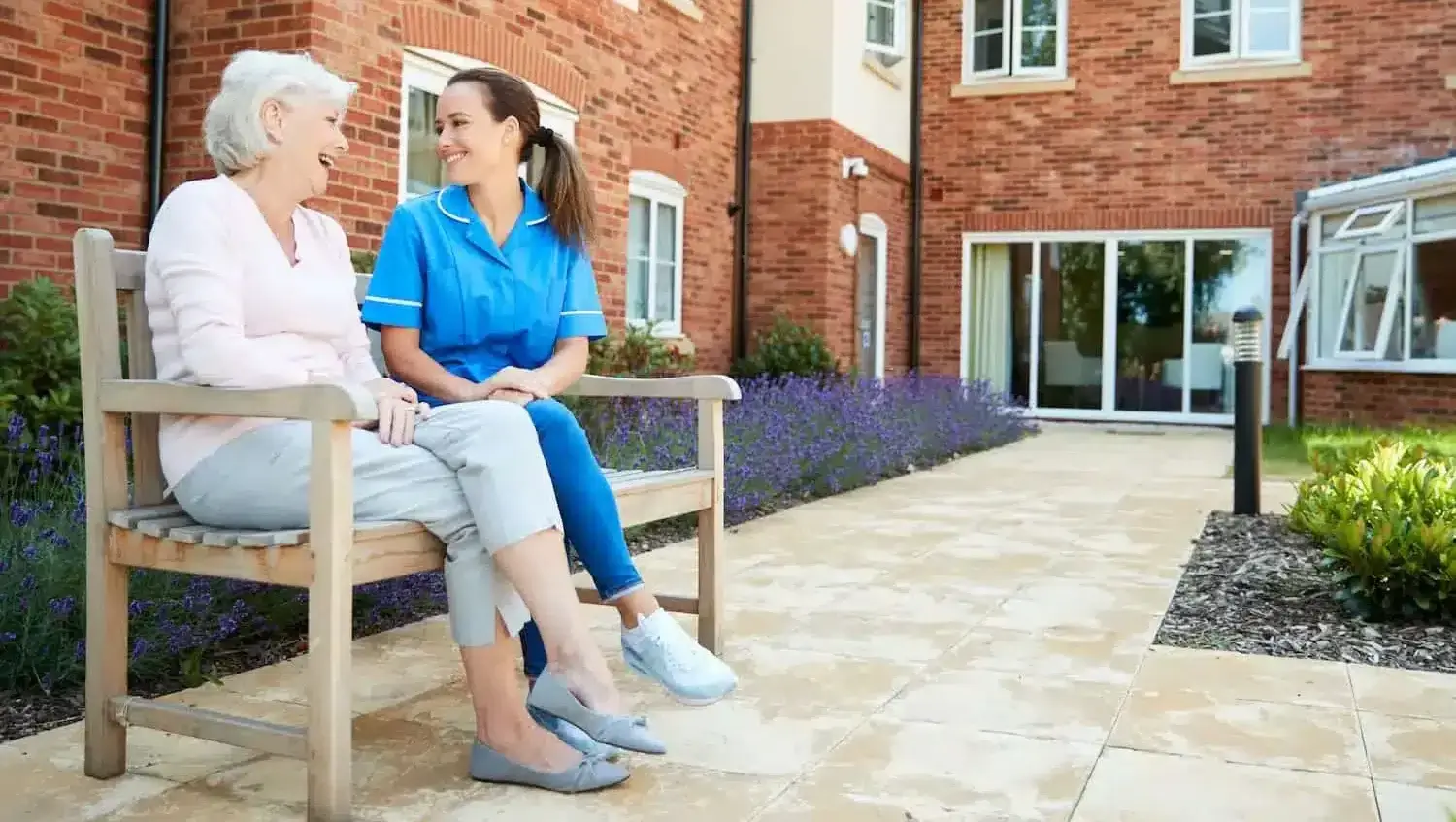
Senior apartments in Minnesota don’t all mean the same thing. Some are independent apartments for people 55 and older with no care on site, while others are licensed assisted living settings with staff around the clock. If you don’t sort out that difference first, you could choose a place that can’t support you six months later.
Start with the help you need now
Before looking at photos or floor plans, think about daily life.
Consider whether your parent can handle bathing and dressing without help. Think about whether they can manage meds and meals safely on their own, too. Those answers matter more than square footage. If the answer is yes to both, an independent senior apartment can be a good fit. If the answer is no, you’ll need a plan for support.
That plan could mean hiring outside home care to come into an independent apartment. It could also mean choosing licensed assisted living, where help with daily tasks is part of the service. Consider how that support would work if needs changed after an illness or hospital stay. Ask who would arrange extra help and whether the apartment could still be a suitable home.
If there’s memory loss, be direct about it. A standard apartment isn’t set up for wandering or constant cues. Minnesota has an assisted living with dementia care license for that higher need. Ask for a care assessment early so you match housing to health needs as well as personal preference.
Know what Minnesota licenses mean
In Minnesota, licensing helps distinguish care settings from housing alone. It doesn’t tell you every service a particular provider offers, so ask for a specific description of available support. An independent senior apartment is primarily housing. Age rules and amenities vary, and a rental agreement alone doesn’t promise personal care. If outside care is available, ask who provides it and under what separate agreement. A licensed assisted living setting is different. It is inspected by the Minnesota Department of Health under state law 144G and has trained staff to help with health and daily needs.
Don’t assume services are the same because two places look alike. Ask each place straight out: are you licensed as assisted living? Do you have the dementia care license as well? You can check the license status through the Minnesota Department of Health and read recent inspection reports.
This matters for rights too. Resident protections and move-out rules depend on license type. If you stay in an independent apartment and bring in outside helpers, those helpers are separate from the lease. Know who is responsible for what before you sign.
Talk to senior living advisors before you tour
Online listings can be hard to sort through. One search shows independent apartments and licensed settings side by side, and some listings are old. That’s why many families use senior living advisors who work in Minnesota every day.
Ask whether the advisor works with independent apartments as well as licensed settings. They can help gather current cost information and identify questions about care capabilities, but the provider must confirm what it can offer. When you search for “Senior apartments Minnesota” you get a mix of both types, and an advisor can sort that list by care level and budget before you drive anywhere.
Choice Connections MN says its advisory services are typically free when families contact it before starting their search, with communities paying a referral fee at move-in. Ask any advisor to explain fees and conditions upfront. Minnesota Aging Pathways, formerly the Senior LinkAge Line, also offers free help comparing housing options and finding support. Using both gives you more to work with than ads alone.
Compare true costs and lease terms
Base rent is only the start. Ask what is included in that number and what is billed separately.
Find out whether rent includes heat and parking, and whether meals are required or pay as you go. Ask about a second-person fee or a community fee at move-in. Get it in writing. You need the true monthly cost, not the ad price.
Include outside help in your calculations. Home care billed by the hour adds up fast in an independent apartment. Keep housing costs and care costs separate in your budget. If money is tight, ask Minnesota Aging Pathways about housing resources and care benefits you may qualify for, including how to apply. Don’t count on assistance until eligibility and coverage are clear.
Read the resident agreement line by line. Look for how often rates can rise and how much notice you get, as well as move-out rules and what happens if needs grow past what the building can do. If the wording isn’t clear, don’t sign yet.
Tour for safety and winter living
Tour in person and go around lunch if you can. Watch how staff speak to residents while also noticing whether the halls are clean and well lit.
Check safety details that matter in Minnesota winters. Are there grab bars and roll-in showers? Is there an emergency call system that gets a fast reply? Are halls and doorways wide enough for a walker or wheelchair? Ask about snow removal and rides to clinics and stores when roads are bad.
In licensed buildings, ask more specific questions. Find out the staff ratio on nights and weekends and how staff handles meds. What is the response time at night? What happens if a resident needs more help than the building can give?
Take notes and trust what you see.
The right apartment lets life stay simple without limiting your options. Pick housing that fits today’s needs and still works if those needs shift a bit.
