
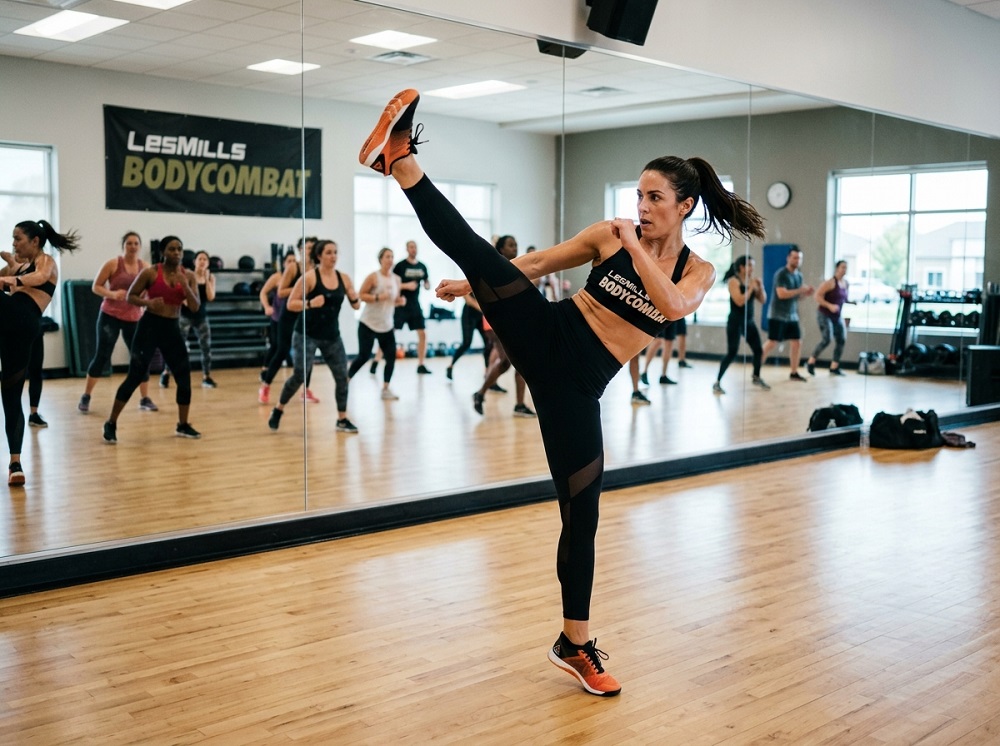
Many cardio workouts train the body in one direction. Running moves forward. Cycling stays mostly seated. Treadmill walking repeats the same pattern. Combat-style fitness is different. It asks the body to punch, kick, step, rotate, guard, shift weight, and change direction. That makes it useful not only for cardio, but also for agility, core control, and coordination.
A bodycombat class can be a practical way to train these qualities in a guided group setting. Participants do not need fighting experience. They follow instructor-led combinations that challenge movement skill while keeping the session energetic and non-contact. The result is a workout that trains the brain and body together.
Why Agility Matters
Agility is the ability to move quickly and change direction with control. It is useful in sports, but it also matters in daily life. Stepping around obstacles, reacting quickly, turning safely, and moving with confidence all require agility.
Combat-style classes challenge agility through footwork and directional changes. Participants may step forward, move back, shift sideways, rotate, or reset stance quickly.
These movement changes make the workout more dynamic than steady-state cardio.
Footwork Builds Movement Awareness
In combat-style fitness, the feet are not passive. Foot placement supports punches, kicks, balance, and direction. A simple jab or cross becomes more effective when the body is positioned well.
Participants learn to shift weight, stay light on the feet, and move with rhythm. This builds movement awareness.
At first, footwork may feel awkward. With repetition, the body becomes more coordinated.
Core Control Is Built Into Every Strike
Punches and kicks depend heavily on the core. A punch starts from the ground, travels through the legs and hips, then transfers through the trunk. Kicks require balance and trunk stability. Even defensive movements involve control through the midsection.
This means the core works throughout the class, not only during dedicated ab exercises.
Participants may feel their waist, hips, and trunk working as they rotate and stabilize.
Coordination Improves Through Combinations
Combat-style classes often use combinations. A participant may perform jab, cross, hook, knee strike, then reset. These sequences require timing and memory. The body must coordinate arms, legs, hips, and direction.
This challenges the nervous system as well as the muscles.
Coordination improves when people repeat patterns and learn to move smoothly.
The Brain Stays Engaged
Some workouts become boring because the mind checks out. Combat-style fitness keeps the brain active. Participants have to follow cues, match rhythm, remember combinations, and control movement.
This mental involvement can make the class feel faster and more enjoyable.
It also helps people build better body awareness.
Balance Is Trained During Kicks
Kicking movements require one leg to support the body while the other moves. Even when kicks are low, balance is involved. The hips, ankles, and core all help keep the body stable.
This balance challenge is valuable because many adults do not train single-leg stability enough.
The goal is not height. It is control.
Upper-Body Endurance Gets Challenged
Punching combinations can fatigue the shoulders, arms, chest, and upper back. Unlike heavy lifting, this is endurance-based work. The arms keep moving repeatedly through tracks or rounds.
This can improve upper-body stamina and posture awareness.
Participants should stay relaxed through the shoulders and avoid unnecessary tension.
Agility Does Not Mean Reckless Speed
A combat-style class may feel fast, but movement should stay controlled. Agility is not just speed. It is speed with balance and awareness.
Participants should avoid twisting aggressively through the knees, overreaching punches, or forcing kicks beyond their comfort.
Good instructors cue controlled movement and offer options.
Why This Format Helps Desk-Bound Adults
Desk-based work often reduces movement variety. People sit, type, look down at screens, and walk in predictable patterns. Combat-style classes bring back rotation, stepping, reaching, and full-body movement.
This can feel refreshing for the body.
The class gives adults a chance to move in ways that daily life does not often require.
Confidence Grows With Practice
The first few classes may feel challenging because the movements are new. That does not mean the participant is bad at fitness. It simply means the body is learning.
Over time, combinations become easier to follow. Strikes feel sharper. Footwork feels smoother. Recovery improves.
This progress builds confidence.
Pairing Combat Classes With Mobility
Because combat-style classes involve kicks and rotation, mobility matters. Hip mobility, ankle control, and spinal rotation can improve movement comfort. Participants may benefit from stretching or mobility work on non-class days.
This helps the body move better during class and recover afterward.
Mobility supports better performance.
A More Complete Cardio Experience
Combat-style fitness builds cardio, but it also trains agility, coordination, balance, core control, and movement awareness. That makes it a useful option for people who want more than machine-based cardio.
For people comparing group fitness options, True Fitness Singapore may be relevant when looking for classes that combine cardio energy with skill-based movement and full-body coordination.
FAQ
Do combat-style classes improve coordination?
Yes. Repeated punch, kick, and footwork combinations can improve coordination over time.
Is agility training only for athletes?
No. Agility helps everyday movement, balance, and confidence, not just sports performance.
Are kicks necessary for the workout to be effective?
Kicks are part of the format, but they can be kept low and controlled while still providing benefit.
Can beginners follow the combinations?
Yes. Beginners may need a few sessions to feel comfortable, but repetition helps the body learn.
