
8
Modern family life often unfolds in parallel isolation. In many homes across the country, an evening together means family members sitting in the same room, each illuminated by the glow of a different screen. We navigate tightly managed schedules, juggle demanding work projects, supervise homework, and coordinate extracurricular carpools with tactical precision. Yet somewhere between the notifications, calendar alerts, and indoor routines, families are experiencing a quiet kind of sensory exhaustion.
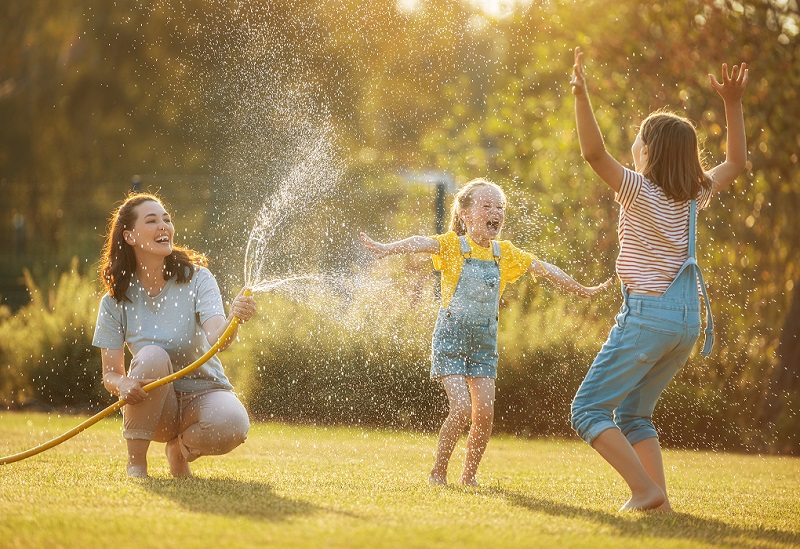
Stepping outside does something no application, family meeting, or indoor hobby can replicate. The simple act of trading four walls for open sky shifts family dynamics almost immediately. Voices drop in volume, shoulders relax, and the compulsive urge to check an inbox dissolves into the immediate sights and sounds of the physical world. Outdoor recreation is not an occasional weekend luxury or a passing lifestyle trend; it is a foundational pillar for physical vitality, emotional resilience, and authentic family connection.
Restoring Physical Vitality Through Natural Movement
Physical activity inside four walls tends to be regimented, whether it involves running on a treadmill, lifting weights, or running drills on a polished gym floor. By contrast, outdoor terrain demands spontaneous, multifaceted movement. Navigating an uneven woodland trail, balancing across a fallen log, pedaling over gravel, or tossing a ball in an open field engages stabilizing muscles, builds spatial awareness, and sharpens motor control in ways a flat surface never will.
For growing children, unstructured outdoor play develops gross motor skills and proprioception—the body’s internal sense of its position and movement in space. Scrambling over rocks, climbing gentle slopes, and ducking under branches build functional strength and cardiovascular endurance without the dull repetition of formal exercise. Adults reap identical rewards. An hour of hiking over varied elevations burns calories, strengthens joints, and challenges core balance, all without the mental chore often associated with a standard gym workout.
Beyond muscle and stamina, regular outdoor exposure provides crucial physiological regulation. Natural sunlight triggers vitamin D synthesis, supporting bone health and immune defense. Perhaps even more impactful for household harmony, spending daylight hours outside helps calibrate the body’s internal clock. Families that spend consistent time outdoors fall asleep faster, achieve deeper rest, and wake with fewer groggy mornings, establishing a biological rhythm that buffers against daily stress.
Decompressing the Mind and Restoring Focus
The cognitive demands placed on contemporary families are unrelenting. School-age children encounter intense academic expectations, peer dynamics, and endless digital notifications. Parents carry the mental weight of professional responsibilities, household management, and long-term financial planning. This continuous demand for focused attention depletes mental reserves, frequently manifesting as irritability, low patience, and mental fatigue.
Natural environments provide a direct remedy through what cognitive experts call effortless fascination. In nature, attention shifts from directed focus—the exhausting mental effort required to read spreadsheets, answer emails, or finish homework—to an involuntary, restorative awareness. The brain observes the ripple of water, the sway of branches, the scent of damp earth, and the calls of birds without expending conscious energy.
This cognitive shift yields noticeable reductions in physical stress. Heart rates settle, muscle tension dissipates, and stress hormones drop after only a brief stretch of time spent in a park or forest. For children dealing with restlessness or sensory overload, time outside functions as a natural reset button. They return indoors with clearer focus, longer attention spans, and an emotional equilibrium that softens the friction of evening routines and homework sessions.
Replacing Parallel Scrolling with Shared Experience
The primary casualty of modern digital convenience is spontaneous conversation. At home, competing screens fracture family interactions into brief, transactional exchanges about schedules, chores, and meal choices. Even during downtime, the presence of televisions, laptops, and smartphones often creates an atmosphere of separate lives lived side by side.
When a family ventures into the outdoors, those digital barriers fall away. Physical tasks in natural settings encourage organic cooperation and genuine teamwork. Paddling a tandem kayak demands coordinated effort, setting up a tent requires shared hands, and navigating a trail junction prompts collaborative problem-solving. In these moments, standard household hierarchies ease, replaced by an authentic sense of shared partnership.
Furthermore, outdoor excursions generate the unpredictable, unscripted moments that become cherished family lore. Getting caught in a sudden summer rainstorm, spotting wildlife along a riverbank, or cooking simple meals around a campfire creates rich emotional memories. These shared experiences build relational equity. Years down the road, children rarely reminisce about an evening spent streaming videos on the sofa, but they remember the trail where they conquered a steep summit together or found a hidden creek.
Cultivating Resilience and Everyday Curiosity
Indoor environments are built around predictability and comfort. Thermostats maintain a consistent climate, floors are level, and entertainment is available with a swipe. While comfortable, this environment shields children from experiencing healthy, manageable friction.
Outdoor settings introduce mild, constructive adversity. A brisk morning wind, a steep trail that makes leg muscles burn, or an unexpected patch of mud requires determination. Pushing through minor physical discomfort teaches children that challenges are temporary, manageable, and satisfying to overcome. When parents model patience, resourcefulness, and good humor when plans change outdoors, children absorb those adaptive coping mechanisms far more effectively than through verbal lectures.
At the same time, nature serves as an expansive, living classroom that reignites innate curiosity. A rotting tree trunk becomes an intricate ecosystem populated by moss, beetles, and fungi. A shoreline reveals tide pools, stone formations, and aquatic life. This tactile discovery nurtures environmental awareness organically. Children who grow up exploring forests, lakes, and open meadows develop an enduring respect for the natural world because it was the backdrop of their fondest childhood adventures.
Making Outdoor Time an Achievable Family Routine
A common barrier preventing families from enjoying the outdoors is the belief that it requires elaborate gear, long road trips, or entire weekends reserved for distant national parks. The pressure to plan an elaborate adventure often causes analysis paralysis, leaving families at home instead.
The most beneficial outdoor habits are simple, local, and easily sustained. Frequency and consistency matter far more than geographic grandeur. A thirty-minute walk through a neighborhood greenbelt after dinner offers immediate decompression. Setting aside Saturday mornings for checking out local county parks, nature centers, or community bike paths builds nature into the family schedule without upending the weekend.
Minimizing logistical friction keeps the routine alive over time. Keep a dedicated canvas bag or daypack stocked with water bottles, sun protection, bug spray, and durable snacks by the front door. Encourage kids to take ownership by carrying their own water or helping choose the afternoon path. By treating outdoor recreation as an everyday lifestyle habit rather than a rare event, families invest directly in their long-term health, happiness, and connection.
